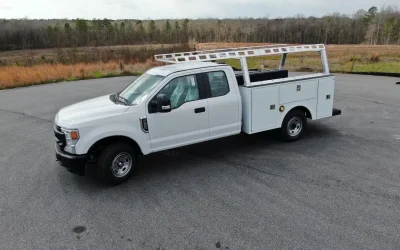
In the fast-paced world of construction, every minute and every resource counts. Construction crews are constantly searching for ways to streamline operations, reduce downtime, and maximize productivity on job sites. Among the many solutions available, the Flatbed Dump Body has emerged as a popular search phrase for professionals seeking to upgrade their fleet and enhance daily efficiency. This versatile piece of equipment offers a unique combination of hauling capacity, flexibility, and durability—qualities that are essential for meeting the demands of modern construction projects across the United States.
Versatility and Adaptability on the Job Site
One of the standout features of a flatbed dump body is its adaptability. Unlike standard dump trucks, flatbed models provide a multi-purpose platform that can accommodate a wide variety of loads. From loose aggregates like gravel and sand to pallets of bricks, lumber, and heavy machinery, the flatbed design enables crews to transport materials of varying shapes and sizes with ease.
This versatility translates directly into increased efficiency:
• Quick Loading and Unloading: The open, flat surface allows for easy access from all sides, reducing loading times and minimizing bottlenecks.
• Multiple Material Types: Crews can haul mixed loads in a single trip, eliminating the need for multiple vehicles and reducing transportation costs.
• Adaptable for Equipment: Flatbed dump bodies can be used to move not only construction materials but also equipment and tools, further streamlining operations.
Enhanced Safety and Productivity
Safety is a top priority on any construction site. The design of a flatbed dump body often includes low side rails or removable stake sides, which make securing loads simpler and safer. With easy tie-down points and stable construction, materials remain secure during transport, reducing the risk of accidents or material loss.
Additionally, dumping mechanisms on these bodies are engineered for smooth, controlled unloading. This allows operators to deposit materials precisely where needed, minimizing manual labor and reducing the risk of injuries from lifting or carrying heavy items. As a result, crews can focus on completing tasks efficiently, knowing that their equipment supports both productivity and safety.
Cost-Effective Investment for Construction Businesses
Investing in a flatbed dump body provides long-term value for construction companies. Its robust construction ensures durability under heavy use, meaning less downtime for repairs and maintenance. The ability to handle a range of tasks with a single vehicle also reduces the need for a larger fleet, saving on fuel, insurance, and maintenance expenses.
Some additional benefits include:
• Reduced Labor Costs: Fewer trips and faster loading mean less time spent on material handling.
• Improved Scheduling: Reliable equipment helps keep projects on track and within deadlines.
• Greater Flexibility: Crews can quickly adapt to changing project needs without waiting for specialized vehicles.
Supporting American Construction Crews
Across the United States, construction crews face diverse challenges, from urban development to rural infrastructure projects. The flatbed dump body’s flexibility makes it an invaluable asset for teams working in various environments and conditions. Its ability to handle heavy loads, facilitate rapid unloading, and adapt to different tasks ensures that crews can meet tight deadlines and demanding project requirements.
In summary, the flatbed dump In the fast-paced world of construction, every minute and every resource counts. Construction crews are constantly searching for ways to streamline operations, reduce downtime, and maximize productivity on job sites. Among the many solutions available, the Flatbed Dump Body has emerged as a popular search phrase for professionals seeking to upgrade their fleet and enhance daily efficiency. This versatile piece of equipment offers a unique body stands out as a practical and efficient solution for construction professionals nationwide. Its versatility, safety features, and cost-effectiveness help crews maximize their productivity, reduce operational expenses, and support the successful completion of projects large and small. By equipping their fleets with this adaptable tool, construction teams can tackle any challenge with greater confidence and efficiency.