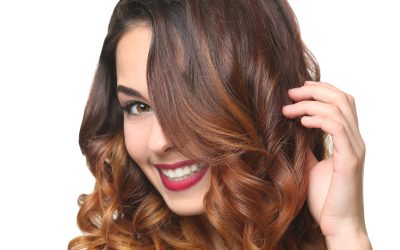
Yes, demi-permanent color can often be used on hair with varying levels of porosity, but the application may need to be adjusted from one section to another. Hair does not always absorb color evenly, especially when the roots, mid-lengths, and ends have different histories or levels of damage.
For clients in Scottsdale, AZ, this is one reason a professional hair color service may begin with an assessment of the hair rather than a single formula being applied uniformly from roots to ends.
What Does Hair Porosity Mean?
Hair porosity describes how readily the hair absorbs and retains moisture, color, and other products.
Lower-porosity hair generally has a smoother, more compact outer layer. It may absorb color more slowly or resist certain formulations. Higher-porosity hair tends to absorb products more quickly because the outer structure is more open or compromised.
The important point is that one person’s hair can have several porosity levels at the same time.
New growth may be relatively healthy and resistant, while the mid-lengths have undergone repeated coloring. The ends may be even more porous after years of heat styling, highlighting, or environmental exposure.
That variation can influence the outcome of any hair color treatment.
Why Can Demi-Permanent Color Look Different From Roots to Ends?
Demi-permanent formulas deposit color rather than producing the same degree of permanent change associated with some other color services.
When porous areas absorb more pigment, those sections can appear deeper, cooler, warmer, or more saturated than healthier areas.
For example, previously lightened ends may take in a brunette or red tone much faster than natural roots. If the same formula is placed over the entire head without considering those differences, the finished color may not appear completely uniform.
This does not mean demi-permanent color is unsuitable. It means the condition of each section should guide the application.
Can Different Formulas Be Used on Different Sections?
Yes. A hair color salon may use different formulations, processing approaches, or application timing depending on the condition of the hair.
The roots might require one approach while the more porous ends need a gentler or more controlled deposit. In some situations, the ends may need less processing time because they accept pigment quickly.
Professional hair color is rarely about treating every strand identically. The goal is to create a visually balanced result while accounting for the existing structure of the hair.
That becomes particularly important when someone has a complicated color history involving highlights, darker color, gray coverage, or repeated tonal changes.
When Is Demi-Permanent Color Particularly Useful?
Demi permanent hair color can be useful when the goal is to refresh tone, deepen existing color, soften unwanted warmth, enhance shine, or make a more subtle change without relying on a permanent formula throughout the entire hair shaft.
It may also be considered when someone wants to blend existing color or adjust previously lightened areas.
However, what might be considered the best demi permanent hair color approach depends on more than shade selection. Hair condition, previous chemical services, desired tone, and porosity all affect the formulation.
For that reason, the most appropriate solution can vary considerably between two clients who appear to have similar starting colors.
Why Are the Ends Often More Porous?
The ends are the oldest part of the hair.
Over time, they have been exposed to more shampooing, brushing, heat, sunlight, coloring, and styling than the hair closest to the scalp. Even hair that appears healthy may have more porous ends simply because those strands have been present for several years.
In Scottsdale, prolonged sun exposure and frequent heat styling may add another layer of consideration when evaluating the condition of longer hair.
Because porous ends can absorb color rapidly, they may sometimes require less pigment or a shorter processing period than the rest of the hair.
Can Porosity Affect How Long the Color Lasts?
It can.
Highly porous hair may take in pigment quickly, but it may also release that pigment more readily during washing. This can create a situation where color initially looks very strong but fades faster in the most damaged sections.
Lower-porosity areas may behave differently, retaining a more gradual or subtle deposit.
A professional hair color plan takes both immediate appearance and expected fading into account. The objective is not simply to make the color match on the day of the appointment, but to help the different sections age as evenly as possible.
What Should Be Checked Before a Color Appointment?
Before applying color, it can be helpful to consider previous highlights, permanent color, straightening services, heat damage, and the overall condition of the ends.
Hair that feels rough, stretches excessively when wet, or has undergone several chemical processes may react differently than untreated hair.
A consultation at a hair color salon can help identify those differences before the formula is mixed. In some cases, a strand test or adjusted application may provide more information about how the hair is likely to respond.
Does Mixed Porosity Mean Color Cannot Look Even?
Not at all.
Mixed porosity is common, particularly in longer or chemically treated hair. The key is recognizing that the hair may not need one identical approach from roots to ends.
Demi-permanent color can still create a polished, balanced result when formulation, timing, and application are adapted to the condition of each section.
For clients in Scottsdale, AZ, discussing previous color history and current hair condition before treatment can help establish more realistic expectations and a more thoughtful plan. When porosity is considered as part of the coloring process, professional hair color can be tailored to the way the hair actually behaves rather than treating every strand as though it were the same.