Dealing with unsightly brown patches or thinning grass can be frustrating for any homeowner. Often, the culprit behind these lawn issues is a hidden pest: grubs. These tiny, white, C-shaped larvae feed on grass roots beneath the surface, causing significant damage if not managed promptly. Many residents searching for effective solutions will type ” Get Rid Of Grubs In Yard New Albany IN ” into their browsers, hoping to find safe and natural methods to restore their lawns. Fortunately, there are proven, chemical-free strategies to tackle grub problems without compromising the health of your yard, family, or local ecosystem.
Understanding Grub Infestations
Before exploring natural control methods, it’s important to recognize the signs of a grub infestation. Typical indicators include:
• Irregular brown or bare patches in your lawn
• Grass that lifts easily, almost like a carpet, due to damaged roots
• Increased activity from birds, raccoons, or moles, which feed on grubs
If you notice these symptoms, it’s time to consider non-toxic solutions to protect your yard.
Natural and Effective Grub Control Methods
1. Encourage Beneficial Nematodes
Beneficial nematodes are microscopic worms that naturally occur in soil. When applied to affected areas, they actively seek out and destroy grubs, offering an environmentally safe solution. These nematodes are harmless to people, pets, and other beneficial insects, making them an excellent choice for natural pest control. Apply them in the evening or on overcast days to prevent UV damage and ensure soil moisture for their survival.
2. Apply Milky Spore
Milky spore is a naturally occurring bacterium that targets and infects specific types of grubs. Once introduced to the soil, it can offer long-term protection as it multiplies each time a grub is infected. This method is especially effective for Japanese beetle larvae and is safe for lawns, gardens, and wildlife.
3. Maintain Healthy Lawn Practices
A robust lawn is more resistant to grub damage. Adopt these practices to naturally deter grubs:
• Aerate your lawn: Loosening compacted soil improves root health and disrupts grub habitats.
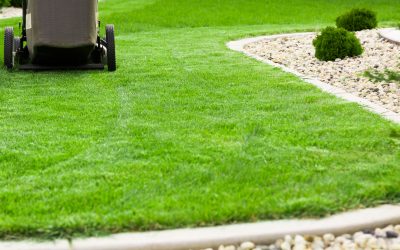
• Mow at the right height: Taller grass shades the soil, making it less attractive to adult beetles looking to lay eggs.
• Water deeply but infrequently: Grubs thrive in consistently moist soil. Watering less often but more deeply encourages deeper root growth and reduces ideal conditions for grubs.
4. Attract Natural Predators
Encouraging birds and beneficial insects to visit your yard can help control grub populations. Install bird feeders or birdbaths to draw in insect-eating species. Avoid using broad-spectrum insecticides, as these can harm the very predators that help keep grub numbers in check.
5. Hand Removal
For smaller infestations, manually removing grubs during lawn maintenance can be effective. Simply lift sections of turf where damage is visible and pick out the grubs. Dispose of them away from your yard to prevent reinfestation.
Combatting grubs in your yard doesn’t have to involve harsh chemicals or harm the environment. By adopting natural solutions like beneficial nematodes, milky spore, healthy lawn practices, and encouraging natural predators, you can effectively restore your lawn’s vitality. If you’re searching for ways to get rid of grubs without compromising your family’s safety or the health of your yard, these methods offer proven, eco-friendly results. Remember, a proactive approach and regular lawn care can make all the difference in keeping your New Albany yard grub-free for seasons to come.